When your body feels tired but your mind stays on alert, bedtime can become the most frustrating part of the day. Neurofeedback for insomnia offers a non-drug approach that focuses on the brain patterns connected to rest, alertness, stress, and regulation. Rather than forcing sleep, it helps train the brain toward a steadier state that may make restful sleep easier to reach.
For many people, insomnia is not simply a nighttime problem. It can show up as racing thoughts, anxiety, irritability, poor concentration, low mood, or the feeling of being exhausted yet unable to slow down. A personalized brain-based approach can be especially meaningful when sleep struggles have become part of a larger cycle of stress.
Why insomnia can be so hard to turn off
Sleep depends on timing, routine, physical comfort, emotional safety, and the nervous system’s ability to shift from alertness to rest. When the brain remains overly activated, that shift may not happen smoothly. You may lie awake replaying conversations, worrying about tomorrow, or noticing every small sound in the house.
Some people struggle to fall asleep. Others fall asleep quickly but wake repeatedly, rise too early, or sleep for eight hours and still do not feel restored. These patterns can have different causes, including stress, anxiety, depression, chronic pain, medication effects, hormonal changes, sleep apnea, restless legs, or irregular sleep schedules. That is why insomnia deserves an individualized conversation rather than a one-size-fits-all solution.
For children and teens, sleep difficulties may also appear alongside attention challenges, ADHD, anxiety, sensory sensitivities, or emotional overwhelm. A child who is worn out can seem more impulsive, reactive, distracted, or unable to manage daily frustrations. Helping the brain settle can support the whole household, not just the child who is having a hard time sleeping.
What is neurofeedback?
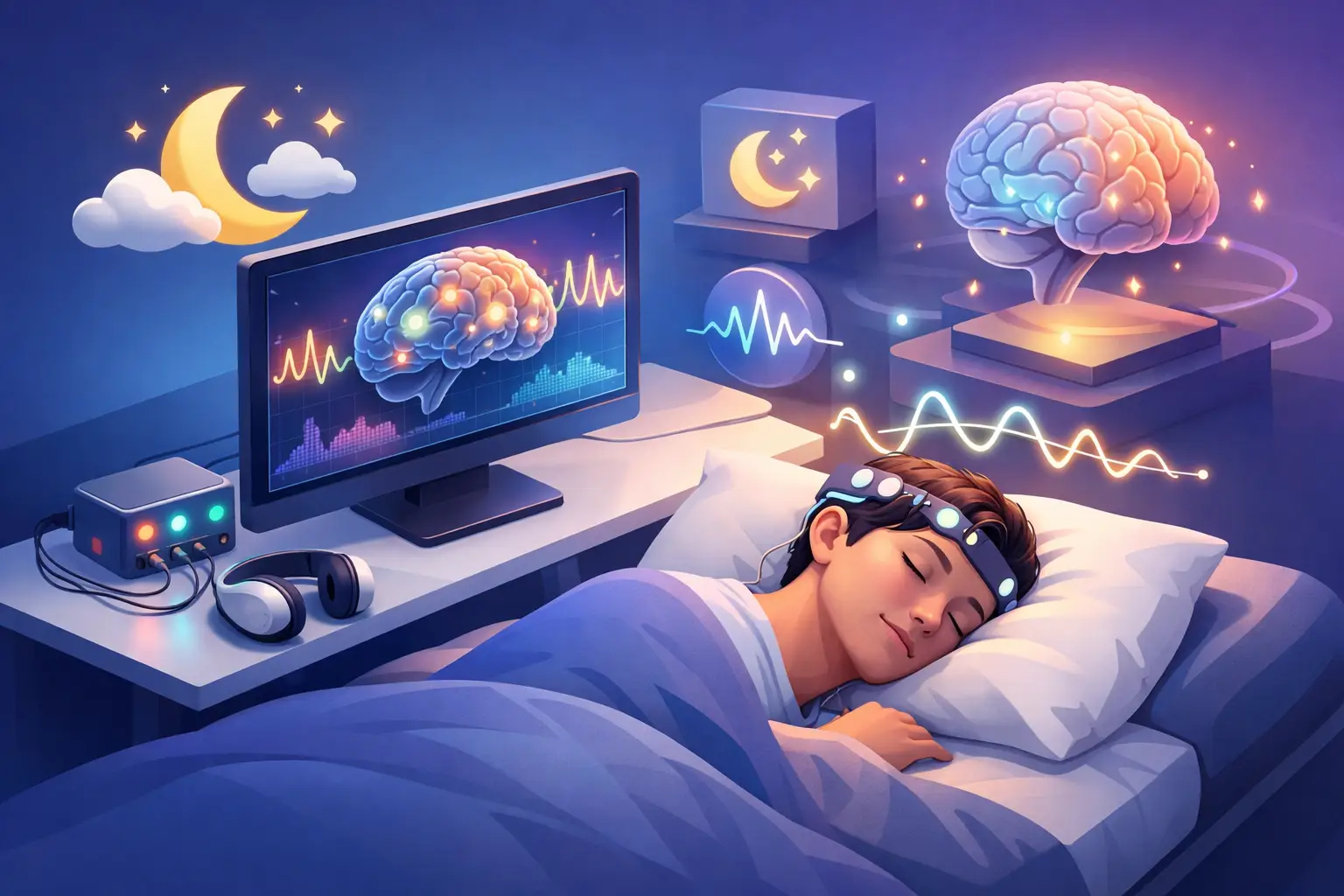
Neurofeedback is a noninvasive form of biofeedback that uses real-time information about brainwave activity to help the brain practice healthier patterns. Sensors are placed on the scalp to read electrical activity. They do not put anything into the brain, and treatment does not involve medication or shocks.
During a session, clients typically sit comfortably and watch a movie, play a simple game, or listen to audio. The system responds when the brain produces the patterns being encouraged. Over repeated sessions, the brain receives feedback and has opportunities to learn more efficient self-regulation – much like a fun workout that helps build a skill through practice.
The experience is generally calm and engaging. For someone who already feels overwhelmed by poor sleep, the idea of sitting down for a relaxing training session can feel far more approachable than another demanding item on the wellness to-do list.
How neurofeedback for insomnia may help
The goal of neurofeedback for insomnia is not to sedate the brain. It is to support regulation. Depending on a person’s symptoms and brain activity, training may be designed to help reduce patterns associated with excessive arousal, improve stability, or encourage the brain to transition more effectively between focused activity and rest.
A person with a highly activated stress response may notice that their mind is less likely to spiral when they get into bed. Someone who wakes easily may find that their nervous system becomes less reactive. Others may first notice daytime changes, such as better focus, a more even mood, or greater resilience during stressful moments. Those improvements can matter because the quality of a person’s day often affects the quality of their night.
Results are individual. Neurofeedback is not a guaranteed cure for every form of insomnia, and it is not a replacement for medical evaluation when a sleep disorder or health condition may be involved. Still, it can be a valuable part of a broader plan for people who want to address the brain-regulation side of sleep difficulties without relying only on medication.
Brain mapping can make training more personal
Two people can both say, “I can’t sleep,” while having very different underlying patterns. One may feel wired with anxiety. Another may struggle with attention and an irregular sleep rhythm. A third may be dealing with emotional stress that keeps the nervous system in a constant state of readiness.
A brain map, also called a quantitative EEG assessment, can provide information about a person’s brainwave patterns. This information helps guide a more personalized training plan. It gives the care team a clearer starting point and helps move beyond guesswork.
At Neurofeedback Carolina, this individualized approach is central to care. Children, teens, and adults each bring their own history, symptoms, goals, and daily demands. Training should reflect that reality.
What to expect from a sleep-focused training plan
Neurofeedback works through repetition, so progress usually develops over a series of sessions rather than overnight. The number of sessions depends on the person, the severity and duration of symptoms, related concerns, and how the brain responds to training.
Many clients appreciate that sessions fit into regular life. There is no need to take time away from work or school to recover afterward. Parents can bring a child in after school, and adults can schedule training around work and family responsibilities. The sessions are designed to feel manageable, not burdensome.
Early changes can be subtle. You may realize you fell asleep without checking the clock repeatedly. You may wake up feeling slightly more rested, or notice that a stressful day does not follow you into the night as intensely. Keeping a simple sleep journal can help you notice patterns in bedtime, wake time, nighttime awakenings, caffeine use, and next-day energy.
Neurofeedback works best alongside healthy sleep support
Brain training can complement practical habits that give sleep a better chance. A consistent wake time, morning daylight, a cool and quiet sleep space, and a wind-down routine can all support the body’s natural sleep rhythm. It can also help to reduce late-day caffeine, limit alcohol near bedtime, and move screens out of the bedroom when possible.
But sleep advice needs compassion. A parent with a newborn, a shift worker, someone managing chronic pain, or a teen with a heavy school schedule may not be able to follow every ideal recommendation. The goal is not perfection. It is finding realistic changes that reduce pressure on the nervous system.
If you snore loudly, gasp during sleep, have severe daytime sleepiness, experience restless legs, or notice a major change in sleep after starting a medication, talk with a physician. These symptoms may point to a condition that needs medical assessment. Neurofeedback can be supportive, but good care means looking at the full picture.
Is neurofeedback a good fit for your insomnia?
Neurofeedback may be worth considering if your sleep problems are tied to racing thoughts, chronic stress, anxiety, difficulty winding down, emotional reactivity, or attention challenges. It may also appeal to families looking for a gentle, non-drug option that can support sleep along with focus, mood, and resilience.
The best next step is a conversation about your specific sleep pattern and health history. A free consultation or evaluation can help you understand whether brain mapping and personalized neurofeedback training may fit your needs.
A better night does not always begin when your head hits the pillow. Sometimes it begins by giving your brain a calm, supportive place to practice a new way of settling.


