A child who cannot settle into homework, a teen lying awake with a racing mind, and an adult who feels constantly on edge may look like very different situations. Often, though, they share a common need: better brain regulation. Rock Hill neurofeedback offers a gentle, non-drug way to help the brain practice more balanced patterns, so everyday life can feel calmer, clearer, and more manageable.
Neurofeedback is not about forcing someone to “try harder.” It is a form of biofeedback that gives the brain real-time information about its own activity. With repeated training, the brain can learn to move away from unhelpful patterns and toward patterns that better support attention, sleep, mood, emotional control, and resilience under stress.
What Rock Hill Neurofeedback Is Really Like
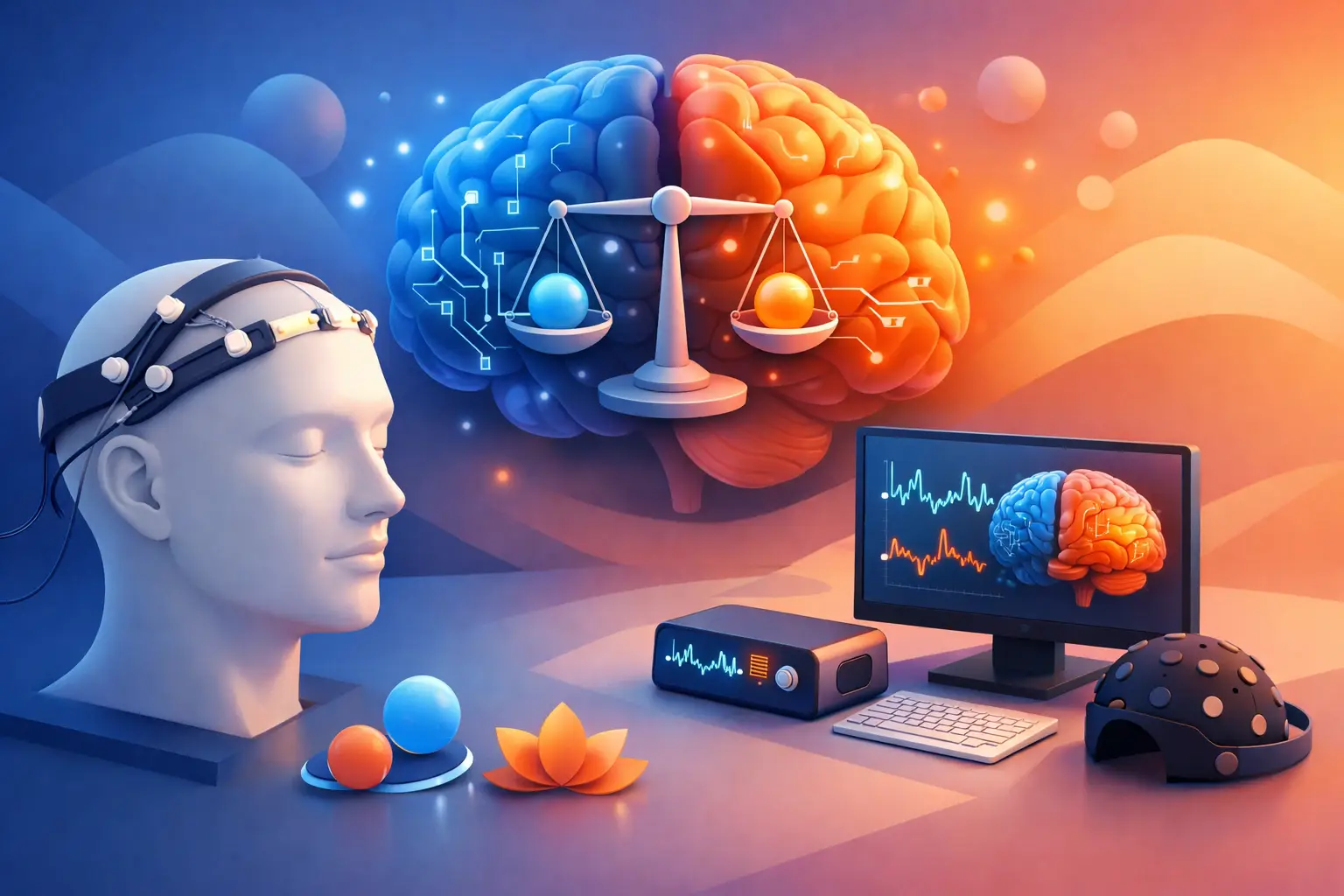
The word “neurofeedback” can sound technical, but the experience is usually quite simple. During a session, small sensors are placed on the scalp to read brainwave activity. They do not send electricity into the brain, hurt, or require medication. The sensors simply receive information.
That information is connected to an engaging activity, such as watching a movie or playing a simple game. When the brain produces the patterns being encouraged, the movie may become clearer or the game may respond positively. When those patterns drift, the feedback changes. The brain notices these small changes and begins to adjust, much as it learns balance through practice rather than a lecture.
Many clients describe it as a relaxing, enjoyable workout for the brain. Children often appreciate that it does not feel like another appointment where they are expected to sit still and explain everything they feel. Adults often appreciate having quiet time devoted to their well-being without another medication or complicated routine to manage.
Why Brain Regulation Matters
Your brain is always producing electrical activity in patterns commonly called brainwaves. These patterns naturally change throughout the day. Some support alert focus, others support rest, and others are active during sleep. Problems can arise when certain patterns are too fast, too slow, too intense, or not flexible enough for the situation.
For example, a person with attention difficulties may struggle to maintain the brain activity associated with steady focus. Someone with anxiety or panic may have a nervous system that remains stuck in a high-alert state. A person with insomnia may be exhausted but unable to quiet the mental activity that keeps sleep out of reach.
Neurofeedback does not label a person as broken. It looks at regulation. The goal is to help the brain become more adaptable, so it can focus when focus is needed, relax when it is safe to relax, and recover more easily after stress.
Support for children and teens
Parents often come in after trying many ways to help. They may have built routines, worked with schools, explored counseling, adjusted diet or sleep habits, or considered medication. Those supports can all have a place. Neurofeedback can be another personalized option for families seeking brain-based support for ADD, ADHD, anxiety, autism-related regulation challenges, emotional outbursts, or sleep concerns.
A child may not say, “My nervous system is overwhelmed.” Instead, a parent may see tears over small changes, trouble getting out the door, difficulty following directions, impulsive behavior, or a nightly battle at bedtime. As regulation improves, some families notice that everyday transitions feel less intense and that their child has more room to use the skills they are already learning at home, in therapy, or at school.
Every child responds differently. Neurofeedback is not a quick fix, and it should not be presented as a replacement for educational, medical, or behavioral care when those services are needed. It can, however, be a meaningful part of a thoughtful, whole-family plan.
Support for adults
Adults are often used to pushing through. They may call their symptoms stress, burnout, brain fog, poor sleep, or simply “having too much on their plate.” Yet ongoing anxiety, panic attacks, low mood, difficulty concentrating, irritability, or restless sleep can take a real toll on work, relationships, and physical health.
Brain training gives adults a different way to approach those concerns. Rather than focusing only on managing a symptom in the moment, neurofeedback aims to support the underlying patterns of regulation that influence how a person responds over time. Some clients pursue it alongside therapy, lifestyle changes, or medical treatment. Others are specifically looking for a non-drug approach. The right path depends on the person, their history, and their goals.
The Value of Brain Mapping and Personalized Training
No two brains, families, or symptoms are exactly alike. That is why a one-size-fits-all protocol may not be the best starting point. Brain mapping can provide a clearer picture of a client’s brainwave patterns and help guide a more individualized training plan.
A brain map is an assessment of brain activity across different areas of the scalp. It can help identify patterns that may be connected with concerns such as distractibility, anxious overarousal, low energy, sleep disruption, or difficulty with emotional regulation. It does not provide a diagnosis by itself, and it is not meant to replace a medical evaluation. Instead, it adds useful information to the bigger picture.
At Neurofeedback Carolina, personalized care begins with listening. What is happening at home, at school, at work, or at night? What has already been tried? What would meaningful progress look like for this person or family? A plan can then be shaped around the individual rather than around a generic set of symptoms.
What Progress Can Look Like
The changes people hope for are often practical. A student may be able to stay with a task longer. A parent may notice fewer explosive moments during routine transitions. An adult may fall asleep more easily, wake up less often, or feel less reactive after a stressful day.
Progress is rarely identical from one person to the next. Some clients notice subtle shifts early, such as feeling more rested or less overwhelmed. For others, change becomes clearer after consistent sessions over time. The pace can depend on the concerns being addressed, the person’s age, sleep habits, stress level, health history, and whether neurofeedback is being combined with other supports.
This is one reason it helps to think of neurofeedback as training. A single workout does not create lasting fitness, and the brain also benefits from repetition. Consistency gives it opportunities to practice healthier regulation again and again.
Is Neurofeedback a Good Fit for Your Family?
Neurofeedback may be worth considering if symptoms are disrupting daily life and you want an approach that is noninvasive, personalized, and focused on long-term regulation. It can be especially appealing for families who want support that feels calm and approachable for both children and adults.
A free consultation or evaluation is a good place to begin. It creates space to discuss concerns, ask how training works, and decide whether a brain map or a personalized neurofeedback plan makes sense. You do not need to have every answer before reaching out. You only need a clear sense that the current pattern is not working as well as it could.
If someone is in immediate crisis, experiencing thoughts of self-harm, or facing a medical emergency, urgent mental health or medical support should come first. Neurofeedback is a supportive wellness service, not emergency care.
A more regulated brain will not remove every hard moment from life. It can make those moments feel less consuming, though, and help each person meet them with a little more steadiness, focus, and peace.


