A mind that will not settle can affect far more than mood. It can turn a simple work task into an exhausting effort, make sleep feel out of reach, or leave you reacting more strongly than you want to in everyday conversations. The best neurofeedback benefits adults seek are often practical: a calmer nervous system, clearer focus, deeper rest, and more confidence in handling stress.
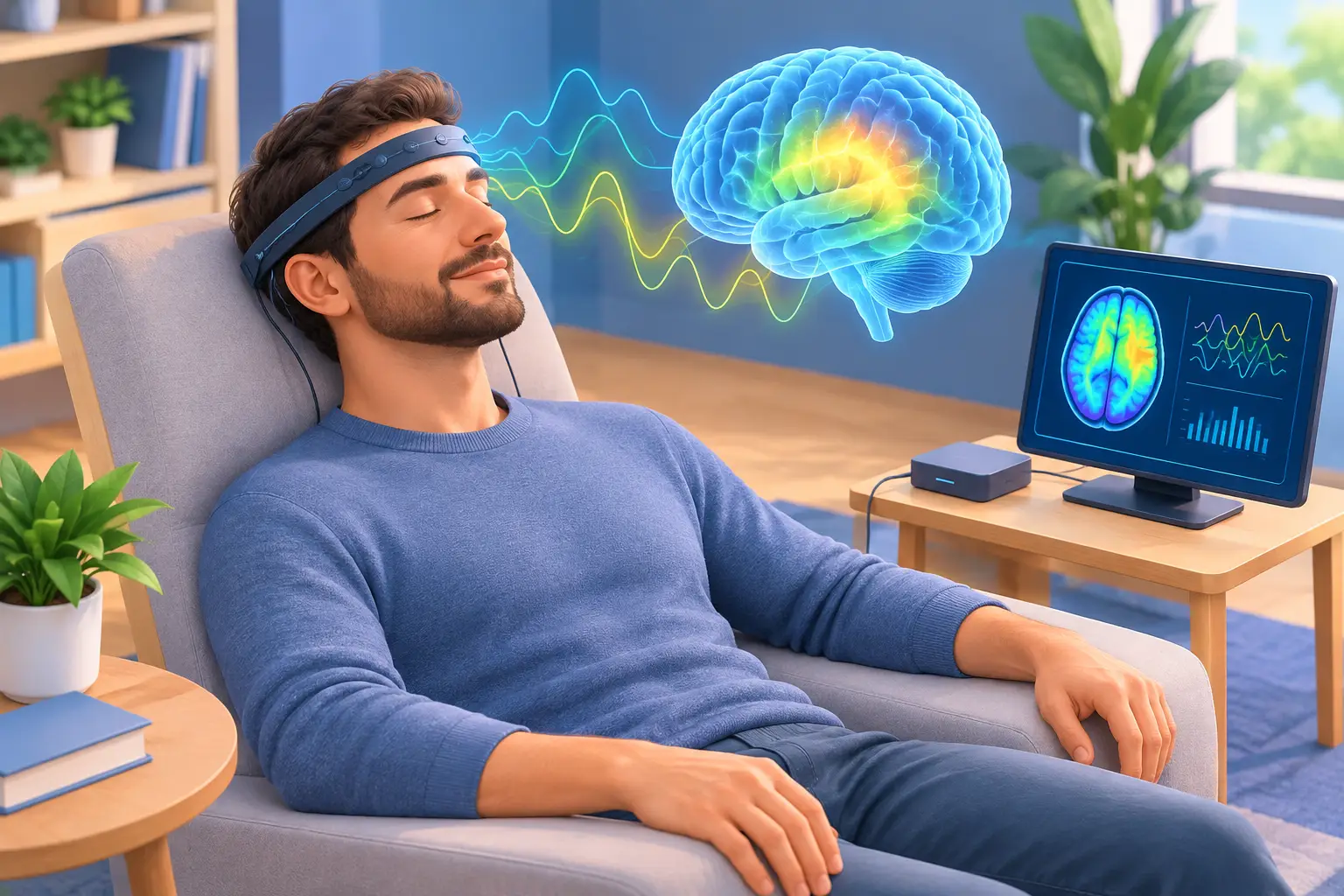
Neurofeedback is a noninvasive form of biofeedback that helps the brain practice healthier patterns of activity. During a session, sensors placed on the scalp read brainwave activity. That information guides feedback, often through a movie, game, or sound. When the brain moves toward the desired pattern, the feedback responds. Over repeated sessions, the brain gets a relaxing, engaging workout in self-regulation.
It is not a medication, and it does not force the brain to do anything. Instead, it gives the brain information it can use to learn. Because every person arrives with a different history, symptom pattern, and goal, personalized assessment matters.
Best neurofeedback benefits adults often notice
Adults come to neurofeedback for many reasons. Some have lived with attention challenges since childhood. Others are navigating anxiety, panic attacks, burnout, poor sleep, low mood, or the cognitive strain that can accompany prolonged stress. The experience is personal, but several potential benefits come up often.
A calmer response to stress
Stress is not always a problem to eliminate. It is a normal human response that helps us meet demands. The trouble begins when the nervous system stays on high alert long after the demand has passed. Racing thoughts, muscle tension, irritability, and an inability to relax can make even quiet moments feel unsettled.
Neurofeedback may support improved regulation by helping the brain recognize and practice more balanced activity. Some adults report feeling less reactive, better able to pause before responding, and more capable of recovering after a stressful day. For a person who has felt constantly “on,” that extra space can be meaningful.
Results vary. Neurofeedback is not a quick fix for a difficult job, relationship conflict, trauma, or financial pressure. It can, however, be one part of a broader plan for building resilience and making stress feel more manageable.
More consistent attention and mental clarity
Distractibility is not always about motivation. An adult may care deeply about their work, family, or personal goals and still struggle to start tasks, follow conversations, remember details, or finish what they begin. ADD and ADHD can contribute to these experiences, but so can poor sleep, anxiety, depression, and chronic overload.
By training brainwave patterns associated with regulation and attention, neurofeedback may help adults experience steadier focus and less mental clutter. The goal is not to become intensely focused every minute of the day. It is to make it easier to direct attention when it matters, shift attention when needed, and recover when the mind drifts.
For adults with diagnosed ADHD, neurofeedback may be used alongside care from a physician, therapist, or other qualified provider. Some people choose it because they want non-drug support; others use it as a complement to medication or counseling. The right approach depends on the individual.
Better sleep and easier wind-down time
Sleep problems are rarely limited to nighttime. A restless night can lead to brain fog, short patience, stronger cravings, and reduced coping capacity the next day. Then stress about sleeping can make the next evening harder still.
Adults who seek neurofeedback for insomnia or restless sleep often want their brains to feel less busy when it is time to rest. Training may support the regulation patterns involved in settling down, staying asleep, and waking with a clearer head. Improvements can be gradual, especially when sleep has been disrupted for years, but better rest can influence nearly every other area of wellness.
Healthy sleep habits still matter. Caffeine timing, screen use, pain, hormones, work schedules, and sleep disorders such as sleep apnea all deserve consideration. If snoring, gasping, severe daytime sleepiness, or other concerning symptoms are present, medical evaluation is important.
Improved emotional balance
Everyone has hard days. Emotional regulation is not about avoiding sadness, frustration, or worry. It is about having a nervous system that can move through those feelings without becoming overwhelmed or stuck.
For some adults, anxiety shows up as constant anticipation of what might go wrong. For others, it looks like panic symptoms, avoidance, anger, or a feeling of being emotionally drained. Depression may bring low motivation, disconnection, and difficulty enjoying things that once felt meaningful. Neurofeedback may help support a more regulated baseline, which can make coping skills, therapy, and healthy routines easier to use.
It should not replace urgent mental health care. Anyone experiencing thoughts of self-harm, a mental health crisis, or symptoms that feel unsafe should seek immediate support from emergency services, a crisis resource, or a qualified medical professional.
Greater day-to-day resilience
Resilience is not a personality trait that some people have and others do not. It is the ability to adapt, recover, and keep moving forward after stress. When the brain is working harder than it needs to just to stay regulated, small problems can feel enormous.
As adults develop more stable patterns of attention, sleep, and emotional regulation, they may notice that daily life requires less effort. They might handle a crowded calendar without shutting down, return to a task after an interruption, or have more patience at home. These changes can be subtle at first, but they often matter because they support real life rather than only a score on a questionnaire.
Why personalized brain training matters
Two people can both say, “I cannot focus,” while needing very different support. One may be exhausted and anxious. Another may have longstanding ADHD symptoms. A third may be dealing with sleep disruption, grief, or the effects of chronic stress. Treating every concern with the same training plan misses the point.
A brain map can provide useful information about patterns of brainwave activity and help guide an individualized neurofeedback plan. It is not a stand-alone diagnosis, and it should be interpreted in the context of a person’s health history, symptoms, goals, and other care. Still, it can make the process more targeted than a one-size-fits-all approach.
At Neurofeedback Carolina, training is designed to feel approachable. Clients typically relax while watching or listening to feedback, allowing the brain to practice rather than trying to perform. Sessions fit into regular life more easily than many people expect, and progress is reviewed over time so training can be adjusted to the person, not just the label.
What adults should realistically expect
Neurofeedback is a learning process. Some people notice early changes in sleep, calmness, or focus. Others need more time, particularly when symptoms are complex or longstanding. Consistency matters because the brain benefits from repeated practice.
A thoughtful provider will discuss goals, explain the recommended plan, and monitor how you are responding. They should also be clear about what neurofeedback can and cannot do. It may support symptom improvement and overall well-being, but it is not a guarantee, and it is not a substitute for appropriate medical care, psychotherapy, nutrition, movement, or restorative relationships.
The best fit is often someone who wants to understand their brain better and is willing to give the process time. Adults do not have to accept constant overwhelm, restless nights, or scattered attention as the permanent cost of a busy life. A free consultation can be a comfortable first step toward learning whether personalized brain training may support the calmer, more capable daily rhythm you want.


