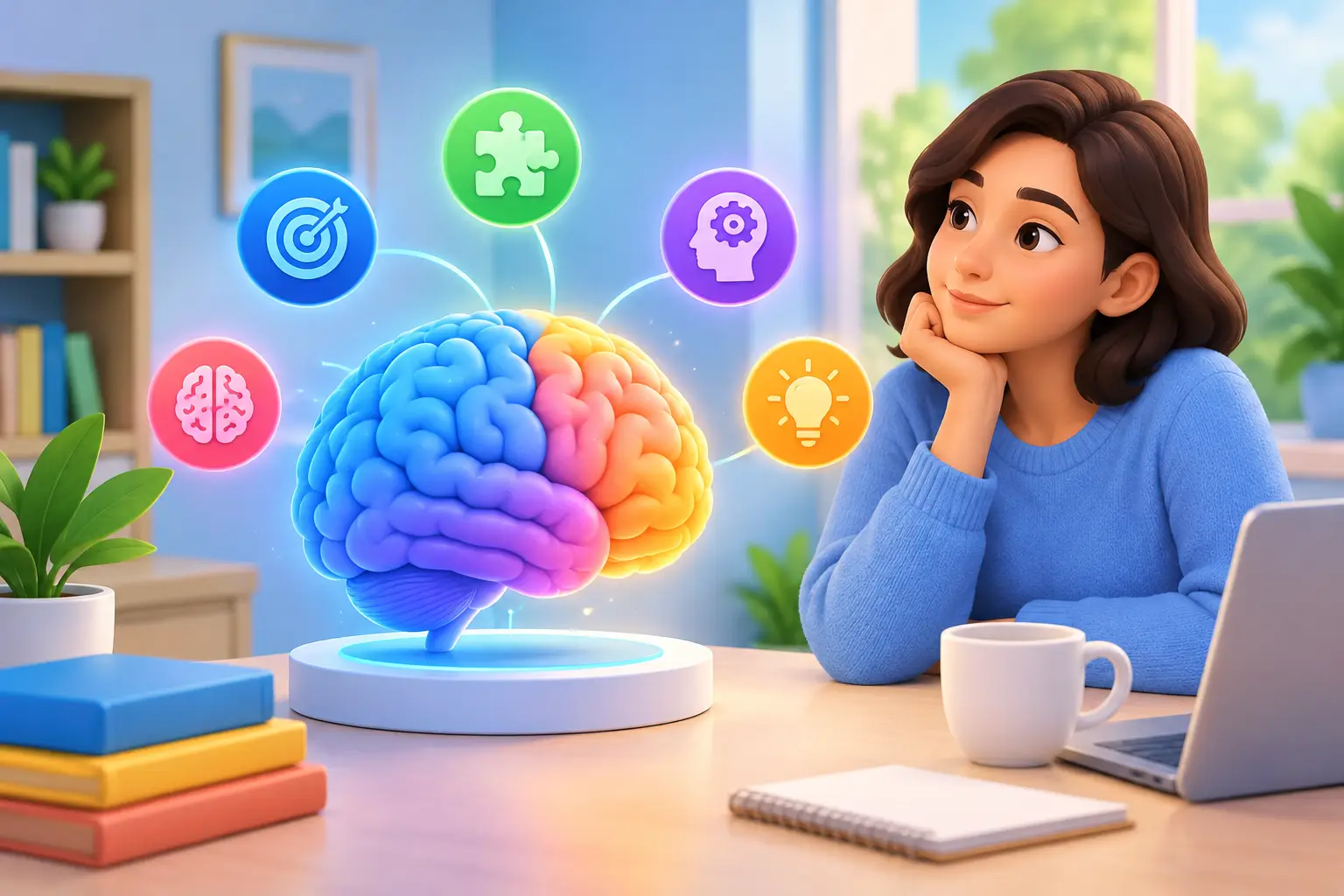
A low mood does not always look like sadness. It may show up as a short temper at the breakfast table, a child who melts down after school, racing thoughts at bedtime, or the feeling that small setbacks are suddenly too much. When those patterns keep repeating, it is natural to ask: can brain training improve mood? For some people, personalized neurofeedback can be a helpful, non-drug part of building steadier emotional regulation.
Mood is not simply a matter of trying harder to think positively. It is connected to sleep, stress, attention, sensory input, physical health, life circumstances, and the way the brain responds to challenge. Brain training is not a quick fix for every cause of depression, anxiety, or irritability. But when dysregulated brainwave patterns are contributing to a person’s symptoms, training the brain toward more flexible regulation may help create meaningful change.
What “brain training” means for mood
The phrase brain training can describe many things, from puzzle apps to memory games. Those activities can be enjoyable, but they are not the same as neurofeedback.
Neurofeedback is a noninvasive form of biofeedback that gives the brain information about its own activity in real time. Small sensors placed on the scalp measure brainwave patterns. The sensors do not send electricity into the brain and nothing is forced or painful. Instead, the brain receives feedback through a movie, game, or sound that responds as it produces more helpful patterns.
Think of it as a gentle, engaging workout for the brain. With repetition, the brain can learn to move away from patterns associated with being overly activated, underactivated, or less flexible under stress. Sessions are usually calm and relaxing, which can make them easier to fit into a family’s routine than an intervention that feels intimidating or burdensome.
How dysregulation can affect emotions
Emotions are supposed to change. Feeling disappointed after bad news, nervous before a presentation, or angry when a boundary is crossed is part of being human. The concern is not that someone has emotions. It is when the emotional response feels too intense, lasts too long, or becomes difficult to shift.
A brain that stays on high alert may contribute to anxiety, panic symptoms, irritability, sensory overwhelm, and trouble falling asleep. A brain that struggles to activate or organize efficiently may be associated with low motivation, brain fog, poor attention, or a flat mood. These patterns can overlap. For example, someone with ADHD may feel frustrated by constant effort and criticism, then become anxious about getting things wrong. A child with sleep difficulties may have less patience and resilience the next day.
This is why mood support often needs to look beyond a single label. The goal is not to train a person to suppress feelings. It is to support a nervous system that can notice a feeling, respond appropriately, and return to a calmer baseline afterward.
Can brain training improve mood when stress is the trigger?
It can, particularly when stress has left the nervous system stuck in a pattern of overreaction. Neurofeedback may help some people feel less reactive, more settled, and better able to recover after everyday pressures. Parents may notice that a child can pause before escalating. Adults may describe fewer racing thoughts, less tension, or more emotional room to handle a difficult day.
The change is often gradual rather than dramatic. A person might first sleep more soundly, then find mornings less stressful, then realize they are not snapping as quickly. These improvements matter because better sleep, focus, and emotional regulation often reinforce one another.
Results vary from person to person. Mood changes can be influenced by medication, therapy, relationships, nutrition, hormones, grief, trauma, medical conditions, and ongoing stressors. Neurofeedback is best viewed as personalized support for brain regulation, not a promise that every difficult feeling will disappear.
Why personalization matters
Two people can both say, “I feel anxious,” while having very different underlying patterns. One may feel restless and unable to slow down. Another may feel disconnected, exhausted, and mentally foggy. A child who appears defiant may actually be overwhelmed by sensory input, poor sleep, or difficulty shifting attention.
That is why a one-size-fits-all brain training program is not ideal. A brain map, also called a quantitative EEG or qEEG in some settings, can provide a clearer picture of brainwave activity and areas that may need support. Combined with a careful conversation about symptoms, history, goals, and daily life, it helps shape a training plan around the individual rather than a diagnosis alone.
At Neurofeedback Carolina, this personalized approach can be especially helpful for families who are managing several connected concerns, such as attention difficulties alongside anxiety, insomnia alongside low mood, or autism-related sensory challenges alongside emotional overwhelm. Training plans can evolve as a client’s needs and progress become clearer.
What a neurofeedback session feels like
For many people, the most surprising part of neurofeedback is how simple it feels. After sensors are placed, a client may watch a favorite show or participate in a computer-based activity. The screen or audio responds to the brain’s activity, giving the brain immediate feedback without requiring the client to consciously figure out what to do.
Children often appreciate that sessions do not feel like a test. Teens may value having a quiet space that does not demand a long conversation about every feeling. Adults who spend much of the day caring for others or pushing through stress may welcome time set aside for their own nervous system.
Consistency matters. Like physical conditioning, the brain generally benefits from repeated practice over time. The recommended number and frequency of sessions depend on the person’s goals, symptoms, and response to training. Some people notice early shifts, while others need more time to see stable changes.
Brain training works best as part of real-life support
Neurofeedback can complement other forms of care rather than replace them. Counseling can help a person process experiences, practice communication, and develop coping skills. Medical care can identify health conditions that affect mood. Movement, regular meals, sunlight, connection, and a dependable sleep routine all give the brain important support.
For a child or teen, family routines are part of the picture. A calmer bedtime plan, predictable transitions, and adults who understand that behavior can reflect nervous-system overload may make progress easier to sustain. For adults, it may mean creating a realistic boundary around work notifications, alcohol use, or late-night scrolling that keeps the brain activated when it needs rest.
If someone has severe depression, thoughts of self-harm, mania, psychosis, or a sudden major change in behavior, prompt evaluation from a qualified medical or mental health professional is essential. Neurofeedback may be considered within a broader care plan, but urgent symptoms should never be handled alone.
Signs it may be worth exploring
Brain-based training may be worth discussing if mood concerns come with poor sleep, persistent stress, attention problems, panic symptoms, irritability, emotional outbursts, or the sense that the brain cannot settle. It can also appeal to people who want non-drug support, or who are already using medication or therapy and would like another way to work on regulation.
A good first step is an individualized conversation, not self-diagnosis. Ask what assessment is used, how goals are tracked, what a typical training plan looks like, and how the provider coordinates with other care when needed. Clear answers help families make a confident decision.
A steadier mood rarely comes from one perfect strategy. It grows when the brain and body have repeated opportunities to practice safety, rest, focus, and recovery. If emotional ups and downs are making life feel smaller, a free consultation can be a calm place to ask questions and consider whether personalized neurofeedback could support a more peaceful next chapter.


