When a child cannot settle into homework, a teen feels constantly overwhelmed, or an adult lies awake with racing thoughts, the question is often the same: Why is this happening? Brainwave assessment benefits begin with a clearer look at how the brain is functioning, so care can move beyond guesswork and toward a plan designed for the person in front of you.
A brainwave assessment, often called brain mapping, does not put a label on a person or define what they can achieve. It provides useful information about patterns of brain activity that may be connected to challenges with attention, sleep, mood, emotional regulation, or stress. For families and individuals looking for non-drug support, that information can make the next step feel more understandable and hopeful.
What a Brainwave Assessment Looks At
Your brain communicates through tiny electrical signals. These signals occur in patterns, often described as brainwaves, that shift throughout the day. Some patterns support alert focus, while others are more common during rest and sleep. The goal is not to have one type of brainwave all the time. Healthy brain function involves flexibility – being able to focus when focus is needed, calm down after stress, and rest at night.
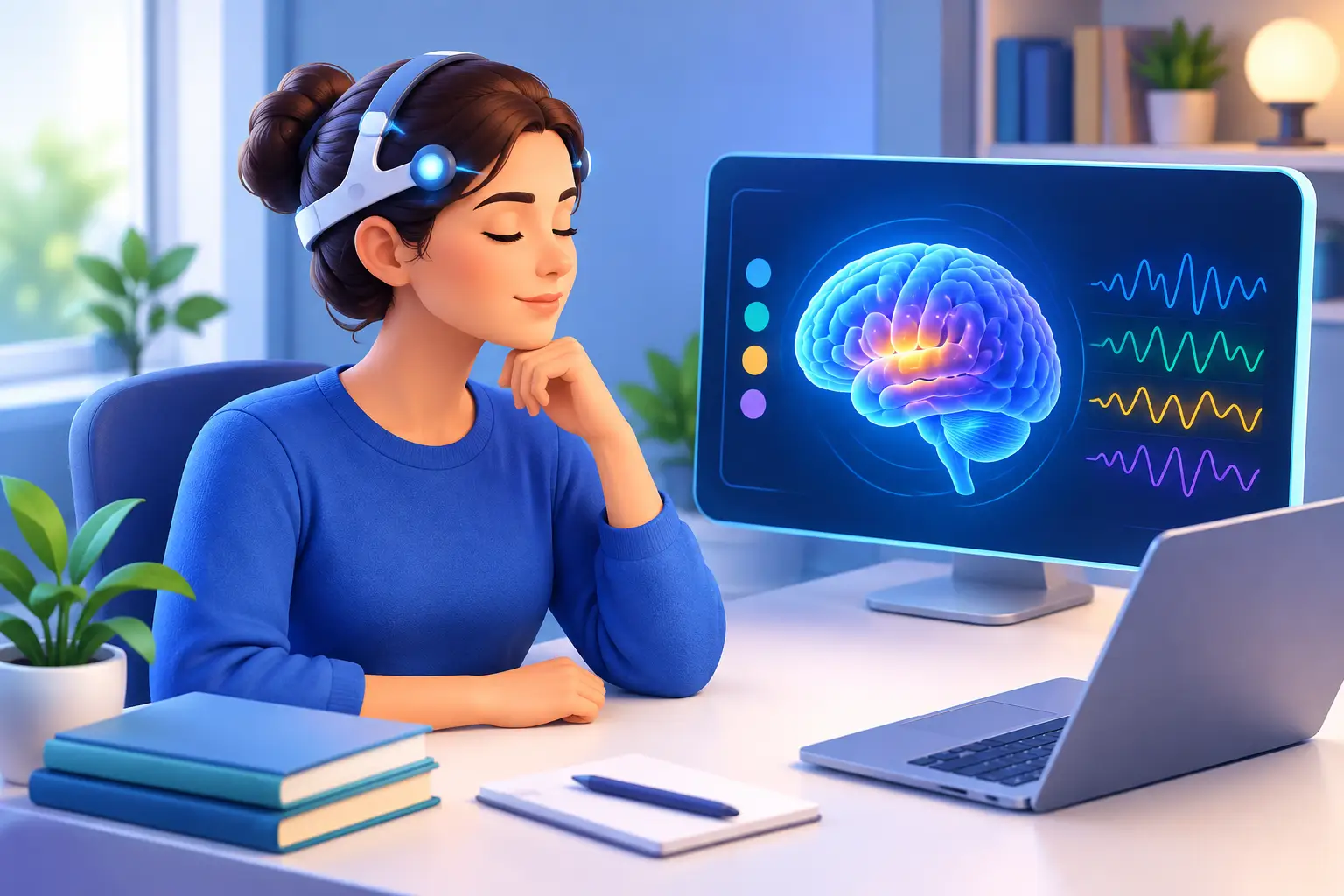
During a brainwave assessment, small sensors are placed on the scalp to record this activity. The process is noninvasive and does not send anything into the brain. Most people simply sit comfortably while information is collected. For children, it can feel far less intimidating than a typical medical appointment.
A trained provider reviews the results alongside the person’s symptoms, history, goals, and daily experiences. A map alone is not a diagnosis, and it should not replace appropriate medical or mental health care. It is a valuable piece of a bigger picture that helps guide individualized neurofeedback training.
Brainwave Assessment Benefits Start With Personalization
Two people can share a diagnosis and still need very different support. One child with ADHD may be energetic and impulsive, while another may appear quiet but struggle to stay mentally present. One adult with anxiety may feel tense throughout the day, while another experiences panic attacks or wakes repeatedly at night.
This is where personalized assessment matters. Rather than assuming every attention concern, sleep problem, or mood challenge has the same underlying pattern, brain mapping can help identify areas where regulation may be less efficient. That information helps shape a training plan around the individual’s needs.
For example, someone who feels mentally “on” at bedtime may need a different approach than someone who has trouble staying alert in school or at work. A person dealing with chronic stress may benefit from training that supports a calmer, more flexible response, while another person may be working toward stronger sustained attention. The assessment helps make those distinctions visible.
A Clearer Starting Point for Families
Parents often arrive after trying many strategies: changing routines, reducing screen time, working with teachers, adding tutoring, or seeking counseling. These efforts can all be worthwhile, yet it can still be difficult to know what is getting in the way.
A brainwave assessment offers a starting point for a more focused conversation. It can help families discuss concerns in practical terms: trouble winding down, emotional outbursts after school, forgetfulness, restless sleep, or difficulty recovering from disappointment. Instead of viewing these experiences as a child being unmotivated or “just difficult,” families can consider whether the brain may need support with regulation.
That shift can be meaningful. It encourages compassion while creating a plan with specific goals.
How Brain Mapping Can Guide Neurofeedback Training
Neurofeedback is a form of biofeedback that helps the brain learn more helpful patterns through real-time feedback. Think of it as a fun workout for the brain. During a relaxed session, a person may watch a movie, listen to audio, or engage with a simple visual display. The brain receives feedback when it moves toward the desired activity patterns.
Over repeated sessions, the brain practices self-regulation. There is no need to force concentration or talk through every difficult experience during training. The process is designed to be calm, engaging, and easy to fit into regular life.
Assessment results help providers choose training locations and protocols thoughtfully. They also give everyone a reference point for discussing progress. A parent may notice that mornings are smoother, a student may find it easier to finish assignments, or an adult may report fewer nights spent staring at the ceiling. These real-life changes matter as much as the data.
Progress is not always perfectly linear. Some people notice early changes in sleep, calm, or focus, while others need more time and consistent training before improvements become clear. Age, symptom complexity, current stress levels, medications, sleep habits, and other health factors can all influence the experience. A good plan leaves room to adjust as the person responds.
Potential Benefits for Attention, Mood, and Sleep
The value of an assessment is not in producing a complicated chart. Its value is in helping connect brain-based information to goals that matter at home, school, work, and in relationships.
For children and teens, those goals may include sitting through class with less frustration, completing homework with fewer reminders, handling transitions more calmly, or falling asleep without a long nightly battle. Families affected by autism may seek support for regulation, sensory overwhelm, sleep, or attention while respecting each child’s unique strengths and needs.
Adults often come in with a different set of concerns: racing thoughts, panic, low mood, brain fog, difficulty concentrating at work, or feeling as though stress has taken over every part of the day. A personalized approach can support the skills behind better daily functioning, including mental flexibility, emotional steadiness, and the ability to rest.
Neurofeedback is not a quick fix, and it is not a substitute for emergency care, medication management, psychotherapy, school accommodations, or other services when those are needed. Many people use it as part of a broader wellness plan. The right combination depends on the individual and should be discussed with qualified providers.
Brainwave Assessment Benefits Include Measurable Conversations
Symptoms can be hard to explain, especially when a child does not have the words for what they are feeling. An assessment gives families and providers a shared language for discussing regulation without blame.
It can also make follow-up conversations more productive. As training continues, the care plan can be evaluated against the goals established at the beginning. Are bedtime routines easier? Is the child recovering from frustration more quickly? Is the adult getting through the workday with more mental energy? Are panic symptoms less disruptive?
Numbers and maps are helpful, but the most meaningful measures are often everyday moments: a peaceful car ride home, a completed task, a full night of sleep, or the confidence to face a stressful situation without feeling consumed by it.
Is a Brainwave Assessment Right for You or Your Child?
A brainwave assessment may be worth considering when symptoms are affecting daily life and you want a more individualized understanding of possible brain regulation patterns. It can be especially helpful for people seeking non-drug options for attention concerns, anxiety, depression, insomnia, chronic stress, or related challenges.
The best next step is a conversation, not a self-diagnosis. Ask how the assessment is performed, how results are interpreted, what training may involve, and how progress will be tracked. A welcoming provider should explain the process in plain language and make space for your questions.
At Neurofeedback Carolina, the goal is to help children, teens, and adults feel supported from the first evaluation through each stage of training. A brain map is not a verdict. It is an opportunity to better understand the brain, create a personal path forward, and make room for more focus, peace, rest, and resilience.


