A panic attack can feel like a fire alarm going off without a visible fire. Your heart races, your breathing changes, your chest feels tight, and your mind urgently searches for an explanation. Even after the immediate surge passes, many people are left asking, why do panic symptoms recur when they are trying so hard to feel better?
The short answer is that panic symptoms often repeat because the brain and body have learned to stay on alert. This is not a personal failure, and it does not mean you are permanently stuck. It means your nervous system may need support in recognizing the difference between a true threat and a body sensation that feels frightening but is not dangerous.
Panic Symptoms Can Leave the Alarm System Sensitive
Panic is a real physical experience. During a panic episode, the body’s fight-or-flight response can release stress hormones and create rapid changes in breathing, heart rate, muscle tension, temperature, and digestion. The body is preparing for danger, even when there is no immediate danger present.
After a frightening episode, it is natural to watch closely for signs that it could happen again. You may notice a skipped heartbeat, lightheadedness after standing up, warmth in a crowded store, or a change in your breathing. When the brain interprets that normal sensation as the beginning of another attack, the alarm system can activate again.
This pattern can make panic feel unpredictable. Yet recurrence often has a pattern, even when it is hard to see at first. Recognizing that pattern is one of the first steps toward feeling more confident and in control.
The Fear of Symptoms Can Fuel More Symptoms
A person who has experienced panic may become understandably afraid of the sensations associated with it. For example, a racing heart may be interpreted as a heart problem, dizziness may feel like impending fainting, or shortness of breath may feel like an inability to get enough air.
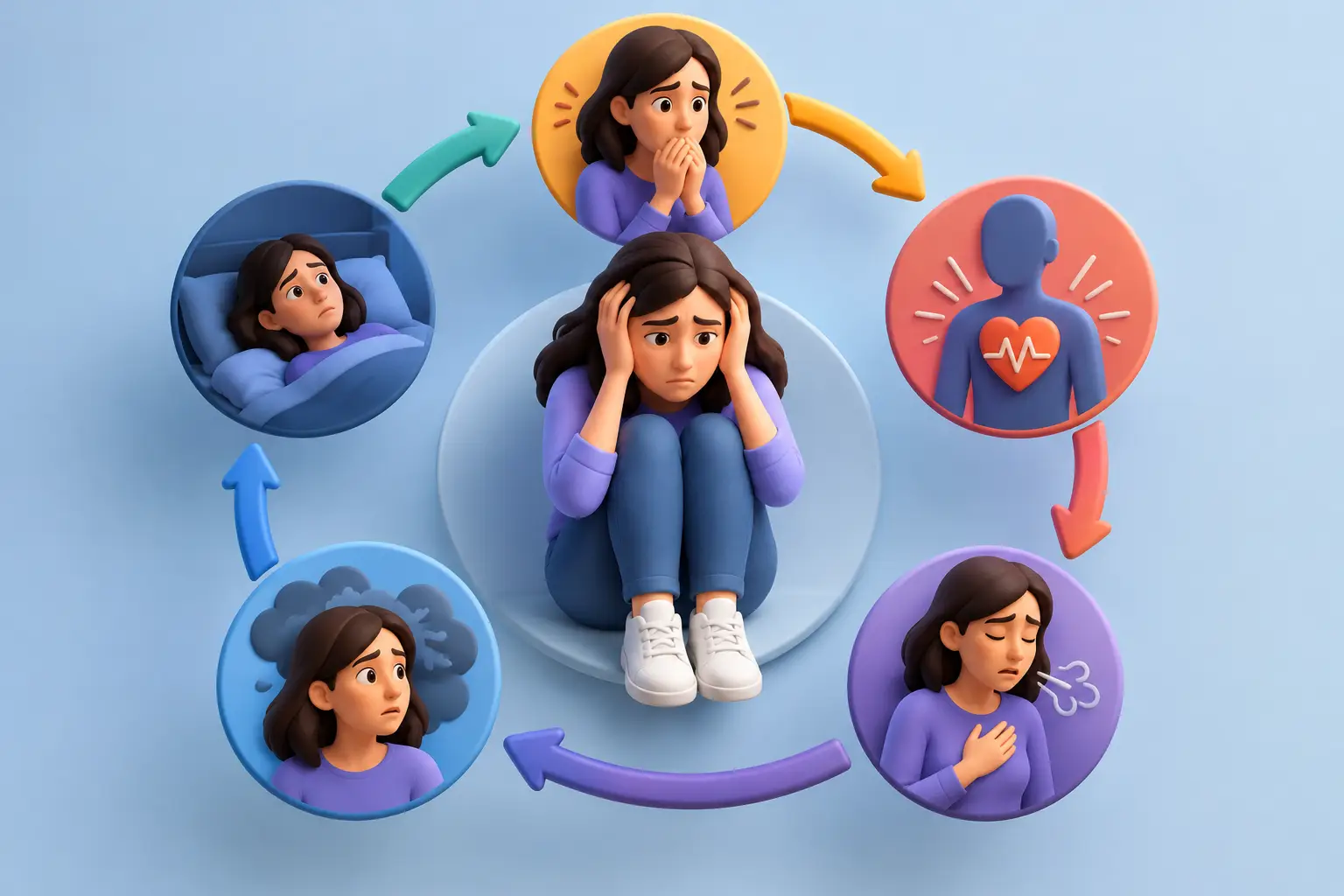
That fearful interpretation adds more stress to the body. Stress increases adrenaline, adrenaline intensifies physical sensations, and those sensations can appear to confirm the fear. The result is a self-reinforcing cycle:
- A body sensation appears.
- The sensation is interpreted as dangerous.
- Fear rises and the nervous system speeds up.
- Stronger symptoms seem to prove that something is wrong.
The sensations are real. The danger the brain predicts is often not. Learning to separate the two takes practice, patience, and sometimes professional guidance.
Why Do Panic Symptoms Recur During Stressful Times?
A nervous system that has been under strain may have less room to adapt to everyday stress. A demanding work season, family conflict, grief, illness, financial concerns, school pressure, or a major life transition can all lower the threshold for panic symptoms.
Sometimes the trigger is obvious. Other times, it is more subtle. Poor sleep for several nights, too much caffeine, missed meals, dehydration, hormonal changes, alcohol use, or recovering from a virus can make the body feel more activated than usual. If someone is already monitoring their body for signs of panic, these shifts may become especially alarming.
This does not mean that every recurring panic symptom has the same cause. For one person, lack of sleep may be the biggest factor. For another, panic may increase after periods of chronic stress or during situations where leaving feels difficult, such as driving, waiting in line, or sitting in a meeting. Personalized care matters because the full picture matters.
Avoidance Can Make the Cycle Smaller and Stronger
Avoidance brings quick relief, which is why it can be so tempting. If a grocery store has triggered panic, staying home may feel safer. If driving on the highway feels frightening, taking only familiar roads may reduce anxiety for the moment.
The challenge is that avoidance can teach the brain that the situation itself was dangerous. Over time, the list of places, sensations, or activities to avoid can grow. Life gets smaller, while the alarm system becomes more watchful.
Supportive treatment often helps people return to feared activities gradually and safely. The goal is not to force yourself through overwhelming situations. The goal is to help the brain gather new evidence: “I can feel uncomfortable sensations, stay present, and get through this.”
Safety Behaviors May Help in the Moment but Keep Fear Going
Some people cope by always sitting near an exit, repeatedly checking their pulse, carrying water everywhere, seeking frequent reassurance, or leaving as soon as anxiety rises. These choices are understandable, especially after a scary panic attack.
But when a safety behavior becomes the only reason a person believes they can cope, it may keep the fear alive. The brain may conclude, “I was safe only because I checked my heart rate,” rather than, “I was safe because the sensation passed on its own.” A therapist or qualified provider can help identify safety behaviors gently, without judgment, and decide which changes are appropriate.
Supporting Better Nervous System Regulation
Panic recovery is rarely about one perfect technique. It is usually about helping the nervous system become less reactive over time while building practical skills for the moments when anxiety rises.
A medical evaluation can be an appropriate starting point, particularly if symptoms are new, changing, severe, or accompanied by concerning physical symptoms. Some health conditions and medications can contribute to sensations that resemble anxiety or panic. Ruling out medical concerns can offer valuable peace of mind and guide the next steps.
Mental health treatment can also be highly helpful. Cognitive behavioral therapy, including approaches that address fear of body sensations and avoidance, is often used for panic. Some people benefit from medication, while others prefer non-drug approaches or a combination of supports. The right plan depends on your symptoms, health history, preferences, and goals.
Daily habits can make a meaningful difference as well. Consistent sleep, regular meals, movement, a thoughtful approach to caffeine and alcohol, and periods of true rest can reduce unnecessary strain on the nervous system. These changes are not a cure-all, and they should never be used to blame someone for having panic. They simply give the brain and body a steadier foundation.
A Brain-Based Option for Recurring Panic Symptoms
For some individuals, neurofeedback may be a helpful part of a broader wellness plan. Neurofeedback is a noninvasive form of biofeedback that helps the brain practice healthier patterns of regulation. During a relaxing session, sensors read brainwave activity while the brain receives real-time feedback, often through a video or game-like experience.
Rather than asking you to talk your way out of panic in the moment, neurofeedback is designed to support the brain’s ability to regulate over repeated training sessions. Some clients seek it because they want a non-drug option that may support calmer responses to stress, more restful sleep, improved focus, and greater resilience.
At Neurofeedback Carolina, brain mapping and individualized training can help identify patterns that may be contributing to dysregulation. Neurofeedback is not a replacement for emergency care, medical evaluation, or mental health treatment when those are needed. It can be a supportive tool for people who want to work on the underlying regulation that affects how strongly their system responds to stress.
When Panic Needs Immediate Help
Because panic symptoms can overlap with medical symptoms, do not assume severe chest pain, fainting, new neurological symptoms, or serious trouble breathing is “just panic.” Seek urgent medical care when symptoms are new, severe, unusual for you, or feel medically concerning.
If panic is leading to thoughts of self-harm, hopelessness, or an inability to stay safe, contact emergency services or a crisis resource right away. You deserve prompt, compassionate support.
Recurring panic symptoms may feel like your body has turned against you, but they are often signs of a nervous system working too hard to protect you. With the right assessment, steady support, and a plan that fits your life, that alarm system can learn a calmer way to respond.


