A child can be bright, loving, and full of potential, yet still struggle to settle into homework, sleep through the night, or recover after a small frustration. An adult can look successful from the outside while dealing with racing thoughts, panic, low mood, or a mind that never truly rests. This guide to personalized neurofeedback explains how brain-based training can offer a calm, non-drug way to support better regulation for people of many ages.
Neurofeedback is not a quick fix, and it is not about changing who someone is. It is a form of biofeedback that helps the brain recognize and practice healthier patterns of activity. When training is personalized, the process begins with the individual rather than a one-size-fits-all protocol. That distinction matters, especially for families seeking support for ADHD, anxiety, autism, insomnia, depression, chronic stress, or concentration concerns.
What Personalized Neurofeedback Means
Your brain produces electrical activity all day long. These brainwave patterns shift naturally when you are focused, relaxed, asleep, solving a problem, or responding to stress. Sometimes, however, parts of the brain may become overactive, underactive, or less flexible in the situations where regulation is needed most.
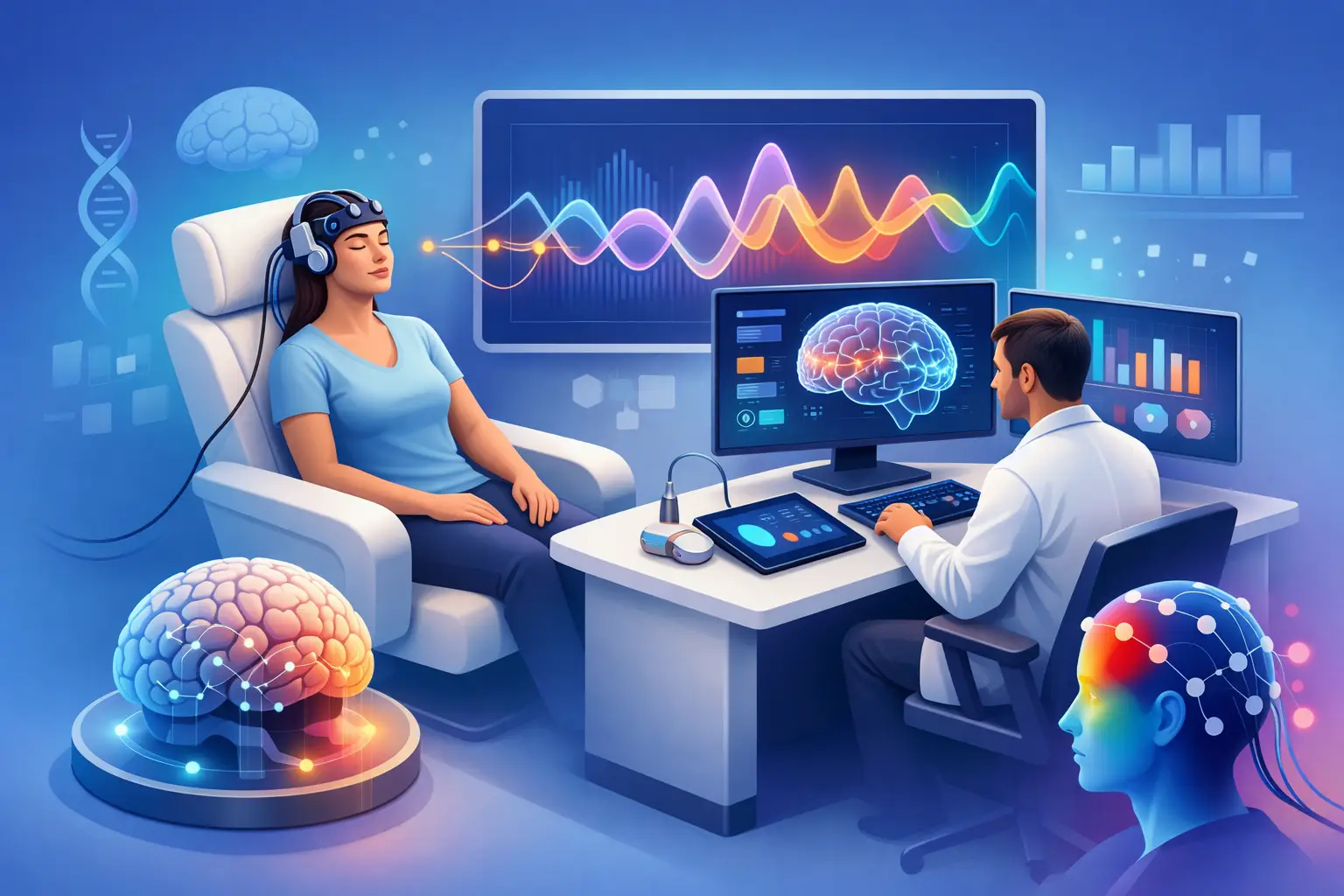
Neurofeedback uses sensors placed comfortably on the scalp to read this activity. The sensors do not put electricity into the brain. They simply measure brainwave activity and send that information to specialized software. During a session, the client may watch a movie, listen to audio, or engage with a simple visual display. When the brain moves toward the training goal, it receives immediate feedback through the experience.
Think of it as a fun workout for the brain. Just as physical exercise gives the body repeated opportunities to build strength and coordination, neurofeedback gives the brain repeated opportunities to practice more efficient self-regulation. Over time, those patterns may become easier for the brain to access outside the office as well.
Personalization means the training plan is based on the person in front of you: their symptoms, goals, history, daily demands, and, when appropriate, brain mapping findings. A teenager who feels overwhelmed in crowded classrooms may need a different approach than an adult who wakes at 3 a.m. with a busy mind. Two children with an ADHD diagnosis may also have very different sleep, sensory, emotional, and attention patterns.
Why Brain Mapping Can Make Care More Individualized
A brain map, often called a qEEG, is an assessment that records and organizes brainwave activity across different areas of the brain. It can provide useful information about patterns that may relate to attention, mood, sleep, stress response, processing speed, or emotional regulation.
A brain map is not a label, a diagnosis, or a prediction of what a person can achieve. It is one piece of information that can help guide individualized care. Combined with a thoughtful conversation about symptoms and goals, it can help identify where training may be most useful.
For example, a parent may describe a child who is constantly moving, quick to frustration, and unable to wind down at night. Another child may appear quiet and compliant but struggle with daydreaming, slow task completion, and intense anxiety. Their challenges can look similar on the surface because both are having trouble at school, but the underlying patterns and training priorities may differ.
This is why a personalized plan should include regular check-ins. The brain and the person are not static. Sleep, medication changes, school demands, family stress, illness, and life transitions can affect how someone feels and responds. A quality neurofeedback program adjusts based on progress rather than treating the first plan as permanent.
What a Personalized Neurofeedback Program Looks Like
The first step is usually a consultation or evaluation. This is a time to discuss what has been difficult, what has already been tried, and what meaningful improvement would look like. For one family, success may mean fewer morning battles and more peaceful bedtimes. For an adult, it may mean being able to focus through a workday without feeling depleted by noon.
If brain mapping is recommended, the assessment helps add another layer of insight. From there, a provider develops a training plan and explains what to expect. Neurofeedback sessions are typically relaxing and appointment-based. Most clients sit comfortably while receiving feedback through a movie, game-like display, or sound. There is no need to force concentration or talk through difficult experiences during every session.
Consistency matters because learning happens through repetition. Some people notice changes early, such as falling asleep more easily, feeling less reactive, or having a clearer mental “off switch” at the end of the day. Others notice gradual shifts over several weeks. Progress can be uneven, particularly during busy seasons or when someone is carrying significant stress.
A personalized program also tracks real-life changes, not only what happens in the chair. Families may monitor sleep, school feedback, emotional outbursts, attention during homework, panic symptoms, energy, or recovery after stressful events. These observations help show whether training is supporting the goals that matter at home, work, and school.
Who May Benefit From Individualized Brain Training?
Neurofeedback can be considered by children, teens, and adults who want support for regulation and overall brain wellness. It is commonly sought by people managing ADD or ADHD symptoms, anxiety, panic attacks, sleep difficulties, low mood, chronic stress, autism-related regulation challenges, and cognitive concerns.
For children, the appeal is often that sessions feel calm and engaging rather than like another demanding appointment. Parents may be looking for support that fits alongside school services, counseling, healthy routines, or medical care. Neurofeedback may help a child practice the brain-based skills that make it easier to pause, focus, transition, and recover from big emotions.
Teens may appreciate having a private, practical space to work on concentration, sleep, test stress, mood, and emotional resilience. Adults often come in after years of pushing through fatigue, distraction, anxious thoughts, or poor sleep. They may be interested in a non-drug option, or they may want an additional tool alongside treatment already recommended by their healthcare provider.
The right fit depends on the person, their goals, and the care they are already receiving. Neurofeedback should not replace urgent mental health support, emergency care, or medication management when those are needed. A responsible provider will encourage coordination with qualified medical and mental health professionals when appropriate.
Questions to Ask Before Starting
Choosing a neurofeedback provider is a personal decision. Beyond asking about cost and scheduling, ask how the practice individualizes training and how progress is reviewed. Find out whether a consultation or evaluation is available before committing to a plan.
It is also helpful to ask what the sessions feel like, how often they are generally recommended, and how the provider responds if someone experiences a change in sleep, energy, or mood during training. Neurofeedback is generally noninvasive and well tolerated, but a thoughtful program should still pay close attention to each client’s response.
For parents, consider the practical fit. Can appointments work with school and family routines? Does the office help a child feel safe and welcome? Are goals explained in language that makes sense? A warm environment does not replace clinical care, but it can make consistency much easier, especially for children and teens.
Setting Realistic Expectations for Progress
The goal of personalized neurofeedback is not perfection. Children will still have hard days. Adults will still encounter deadlines, conflict, grief, and stress. The aim is to help the brain become more flexible and better able to return to a regulated state after life happens.
Meaningful progress may look ordinary at first: a child gets ready for school with less prompting, a teen sleeps more steadily, or an adult realizes they handled a stressful conversation without the familiar spiral afterward. Those small changes can add up to greater confidence, stronger relationships, and a more peaceful daily rhythm.
At Neurofeedback Carolina, families and individuals can begin with a free consultation or evaluation to talk through their concerns and learn whether a personalized plan may be appropriate. The best next step is simply to name what feels hardest right now, then give your brain a supportive place to practice a different response.


